Ducted vs Ductless Range Hoods: Pros and Cons for Toronto Homes
When it comes to kitchen ventilation, choosing the right range hood is crucial for maintaining a clean and comfortable cooking environment. Homeowners in Toronto and the Greater Toronto Area (GTA) often face the dilemma of selecting between ducted and ductless range hoods. Each option has its own set of advantages and disadvantages, making it essential to understand their differences before making a purchase. In this guide, we’ll explore the pros and cons of both types of range hoods, helping you make an informed decision for your home.
Understanding Range Hoods
Range hoods serve the primary function of removing smoke, odors, and grease from your kitchen air, ensuring a healthier cooking environment. The choice between ducted and ductless range hoods largely depends on your kitchen layout, local building codes, and personal preferences.
Ducted Range Hoods
Ducted range hoods, also known as vented hoods, expel air outside through ductwork. This type of installation is often preferred for its superior performance in removing airborne contaminants.
Pros of Ducted Range Hoods
1. **Superior Ventilation**: Ducted hoods effectively remove smoke, steam, and odors from your kitchen, providing better air quality.
2. **No Recirculation**: Since the air is vented outside, you won’t have to deal with the recirculation of stale air, which can be a concern with ductless models.
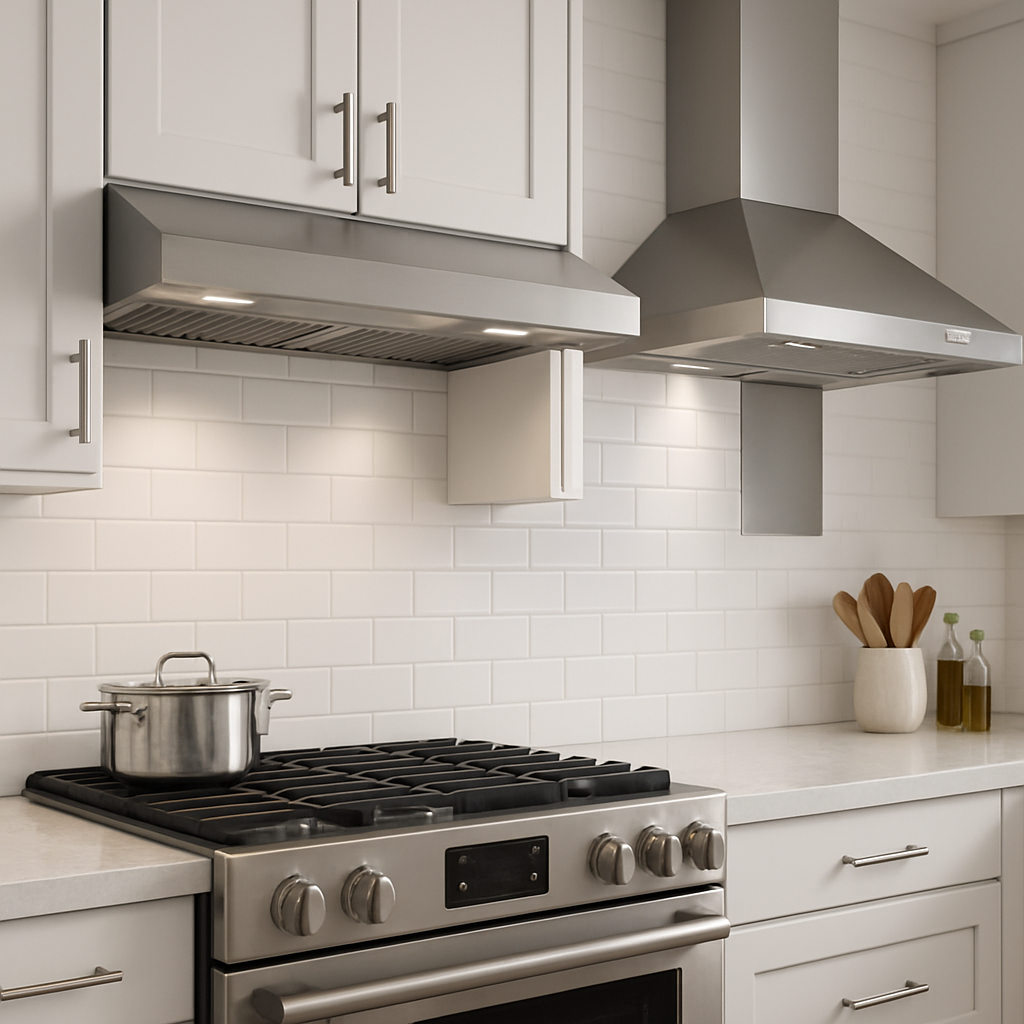
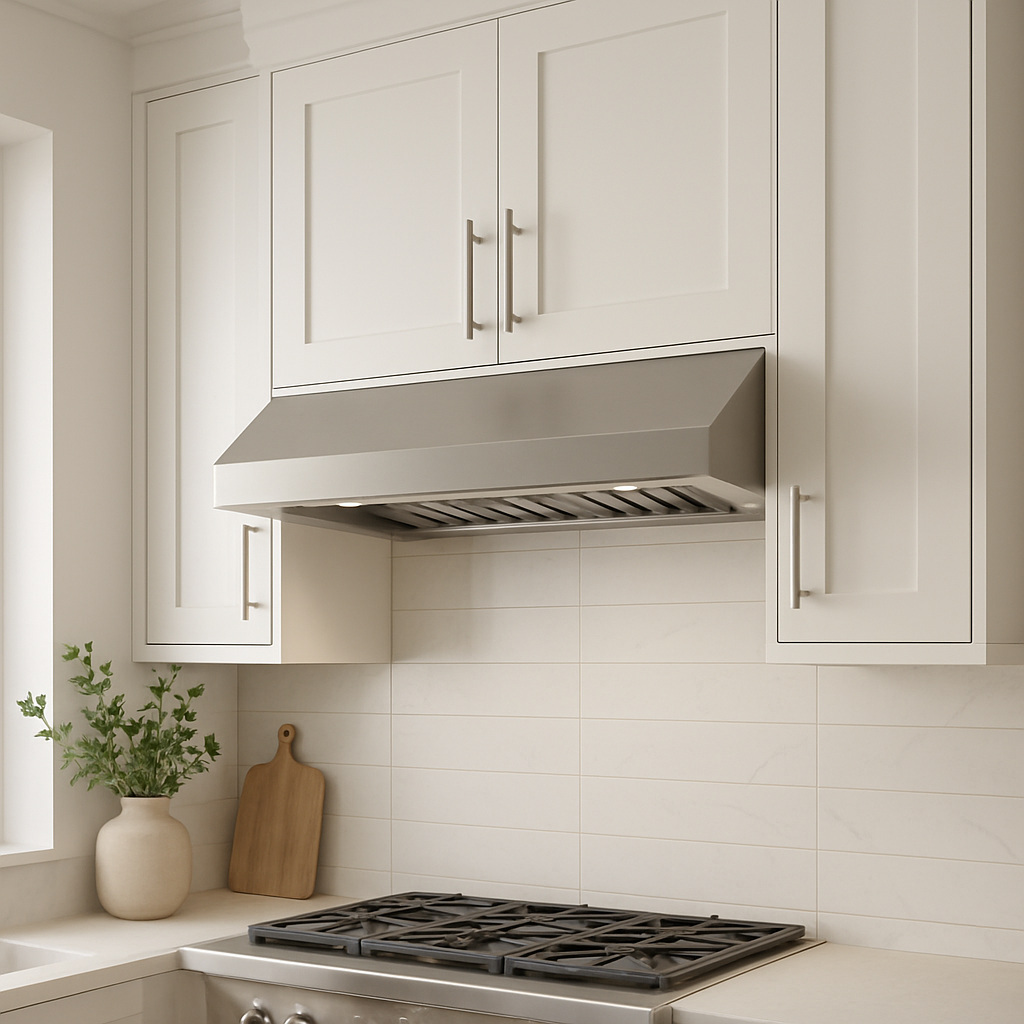
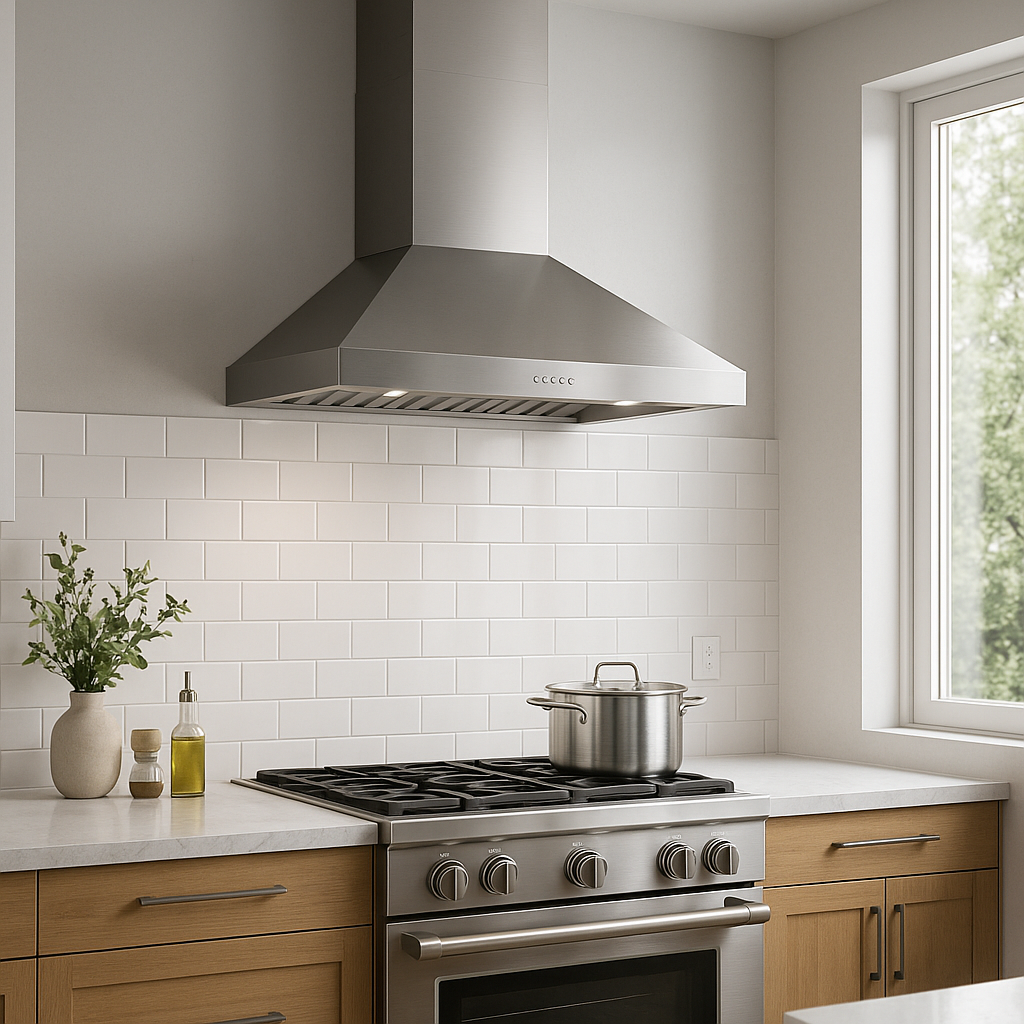
3. **Variety of Styles**: Ducted hoods come in various designs, including wall-mounted and under-cabinet options, allowing for flexibility in kitchen aesthetics.
Cons of Ducted Range Hoods
1. **Installation Complexity**: Ducted range hoods require professional installation due to the need for ductwork, which can be challenging in some homes.
2. **Higher Cost**: The initial investment may be higher compared to ductless options, especially when considering installation costs.
3. **Space Requirements**: Ductwork can take up valuable space, making it less suitable for smaller kitchens or condos.
Ductless Range Hoods
Ductless range hoods, also known as recirculating hoods, filter the air and then return it to the kitchen. They are a popular choice for those who may not have the option for ductwork.
Pros of Ductless Range Hoods
1. **Easy Installation**: Ductless hoods are generally easier to install, making them a great option for DIY enthusiasts or those seeking a quick solution.
2. **Space-Saving Design**: Without the need for ductwork, these hoods can fit into tighter spaces, making them ideal for condos or smaller kitchens.
3. **Lower Cost**: Typically, ductless range hoods are less expensive upfront, both in terms of the unit itself and installation.
Cons of Ductless Range Hoods
1. **Limited Air Quality Improvement**: While they filter air, ductless hoods may not remove odors and contaminants as effectively as ducted models.
2. **Filter Maintenance**: The filters in ductless hoods need regular cleaning or replacement, which can add to long-term maintenance costs.
3. **Less Variety**: There may be fewer design options available compared to ducted hoods, which can limit aesthetic choices.
Making the Right Choice for Your Home
When deciding between ducted and ductless range hoods, consider the following factors:
– **Kitchen Layout**: If your kitchen has the space for ductwork and you prioritize air quality, a ducted range hood may be the best choice. For smaller spaces or condos, a ductless option may be more practical.
– **Cooking Habits**: If you frequently cook with strong spices or high heat, a ducted hood will better suit your needs. For light cooking, a ductless hood may suffice.
– **Budget**: Assess your budget not just for the initial purchase but also for installation and maintenance costs.
At AnSen Appliance, we offer a range of ducted and ductless range hoods tailored to fit your kitchen needs. Our team can assist with kitchen measurement and provide recommendations based on your specific requirements.
Installation Tips
Whether you choose a ducted or ductless range hood, proper installation is key to optimal performance. Here are a few tips:
– **Professional Help**: Consider hiring a professional for installation, especially for ducted models that require complex ductwork. Our range hood installation service can help ensure a seamless setup.
– **Correct Height**: Install the range hood at the recommended height above the cooking surface to maximize efficiency.
– **Regular Maintenance**: For ductless models, keep an eye on filter cleanliness and replace them as needed to maintain air quality.
FAQs
**1. Can I install a ducted range hood in a condo?**
Yes, but it depends on your building’s regulations regarding ductwork. Consult with your building management before proceeding.
**2. How often should I replace the filters in a ductless range hood?**
It’s recommended to check and replace filters every 3-6 months, depending on usage.
**3. Is it worth investing in a ducted range hood?**
If you cook frequently and want superior air quality, a ducted range hood is a worthwhile investment.
**4. Do you offer same-day delivery and installation?**
Yes, depending on our schedule and stock availability, we may offer same-day delivery and installation. Contact us for more details.
**5. How can I measure my kitchen for a range hood?**
Our kitchen measurement service can assist you in getting accurate measurements for your new range hood.
Conclusion
Choosing between ducted and ductless range hoods can significantly impact your kitchen’s air quality and overall cooking experience. By weighing the pros and cons of each option, you can make an informed decision that best suits your home in Toronto or the GTA.
Ready to enhance your kitchen? Contact AnSen Appliance today to explore our range of options, or book our measurement and installation services to get started on your journey to a cleaner, fresher cooking environment!